Why Choose Retrofit Brake Lines?
Why Choose Retrofit Brake Lines?
1. Greater Durability
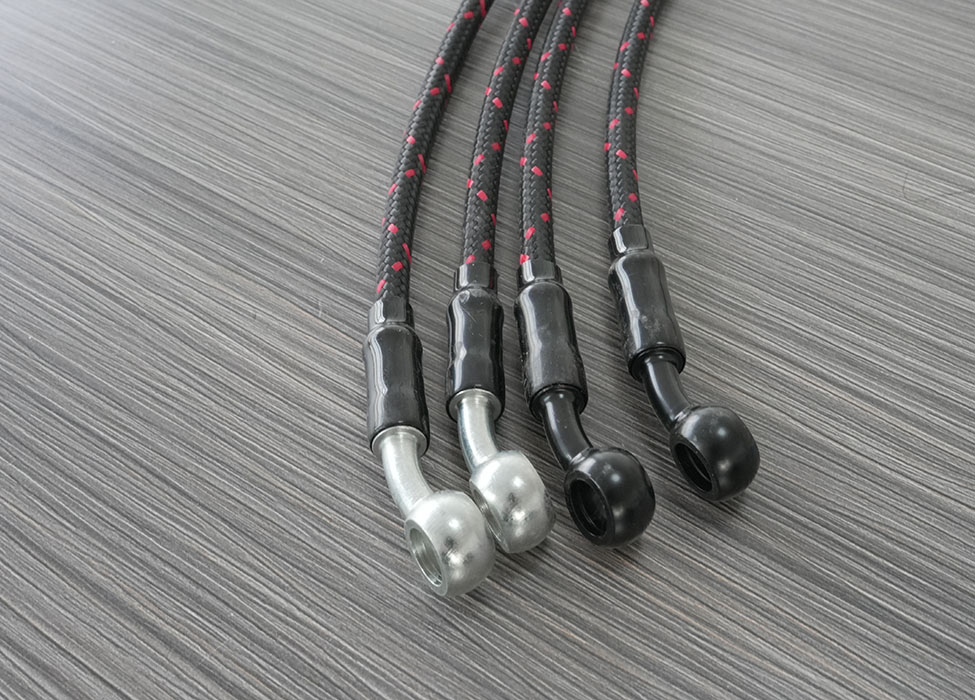
Retro brake lines utilize advanced materials, such as stainless steel braiding or Teflon coating, significantly enhancing durability. These materials are wear-resistant, heat-resistant, and pressure-resistant, ensuring your brake lines function properly even under the most demanding driving conditions.
2. Improved Braking Performance
Upgrading brake lines not only improves safety but also enhances braking performance. Stainless steel braided brake lines reduce brake line expansion under pressure, resulting in a firmer brake pedal feel. This translates to faster response and more precise handling, especially important for high-performance cars, racing cars, and off-road enthusiasts.
3. Corrosion Resistance
Unlike original rubber hoses, retrofit brake lines offer superior corrosion and abrasion resistance, especially in harsh climates such as those found in humid Southeast Asia or the Middle East coast. This is crucial for maintaining their long-term performance and preventing leaks.
4. Customization for High-Performance Vehicles
Whether you're looking to upgrade your street car, racing car, or off-road vehicle, retrofit brake lines can be customized to suit various models and needs. They can be customized to specific performance standards, ensuring your vehicle is equipped with the optimal braking system.
Key Considerations When Purchasing Aftermarket Brake Lines
1. Material Quality
Choose brake lines made of high-quality stainless steel or Teflon, as these materials offer optimal performance and lifespan. Avoid using inferior materials, as they may fail under extreme pressure.
2. Vehicle Compatibility
Ensure the brake lines are compatible with your vehicle's brand and model. Proper installation is crucial to avoiding installation problems and maintaining the integrity of the braking system.
3. Brake Line Length and Configuration
Brake lines come in different lengths and configurations (straight or braided). Ensure the length and configuration meet your vehicle's requirements to prevent performance issues.
4. Certifications and Standards
Always check for certification marks such as DOT (U.S. Department of Transportation) or E-mark to ensure the brake lines meet safety and quality standards.
Maintenance Tips for Aftermarket Brake Lines
Regular maintenance is essential to ensure the lifespan and efficiency of aftermarket brake lines. Here are some tips to keep your brake lines in optimal condition:
Check for leaks: Regularly check your brake lines for signs of wear or leaks, especially after high-performance driving or off-road adventures.
Regular cleaning: Clean your brake lines with a mild, non-corrosive cleaner to prevent dirt and debris buildup that could damage the line material.
Replace rubber dust covers: If your brake lines have rubber dust covers, ensure they are intact. Replace them immediately if cracks or signs of damage are visible.
Our Main Products
We specialize in providing high-performance aftermarket brake lines for a wide range of vehicle models. Our products include:
Stainless steel braided brake lines
Teflon-coated brake hoses
Custom brake line kits for high-performance vehicles
Brake line fittings and connectors
We offer tailored solutions for both street and track enthusiasts, ensuring your braking system is always up to par in all road conditions.
Conclusion
Upgrading to aftermarket brake lines is one of the best investments you can make in your vehicle, significantly improving safety, performance, and durability. Choosing high-quality materials and understanding proper maintenance will ensure your braking system maintains optimal performance for years to come. Whether you're located in Southeast Asia, the Middle East, or Japan, we offer a range of reliable and customizable options to meet your vehicle's diverse needs.
 2026-2-2