Recent News
-
 2026-2-2
Why Choose Retrofit Brake Lines?

In hydraulic braking systems, brake calipers should release immediately after the brake pedal is released. When calipers remain engaged, it usually indicates a restriction within the brake hydraulic circuit. From an engineering standpoint, one of the most overlooked causes is brake hose structure failure or hydraulic line blockage.
Over time, the inner layer of brake hoses may deteriorate due to heat, pressure cycles, and brake fluid exposure. When the internal liner collapses, brake fluid can travel toward the caliper but cannot return properly, causing the brake caliper to remain engaged.
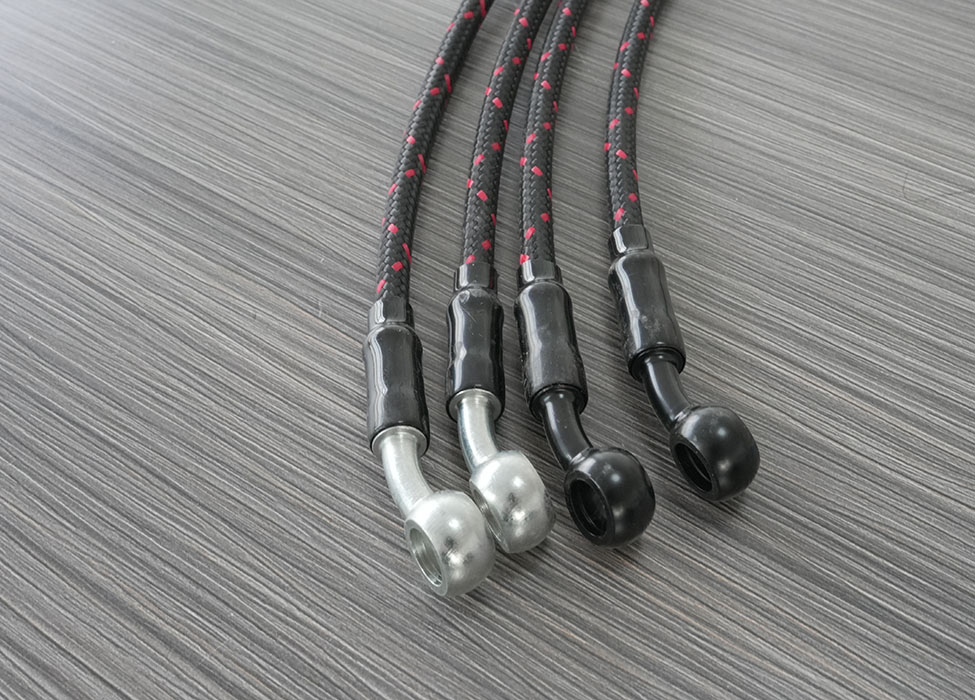
Performance workshops and aftermarket distributors often replace aging hoses with upgraded hydraulic lines such as Blue Hydraulic Brake Line, Red Hydraulic Brake Line, and Silver Hydraulic Brake Line to ensure stable pressure transfer and improved durability.
Brake fluid absorbs moisture over time. Excess moisture can cause corrosion inside brake lines and fittings, leading to debris that restricts hydraulic pressure return.
Brake hoses installed with tight bends or excessive twisting may restrict fluid return flow. This is often observed in modified vehicles where brake line routing is changed during upgrades.
When sourcing hydraulic brake lines, distributors typically consider:
Colored performance brake lines such as Green Hydraulic Brake Line and Black Hydraulic Brake Line are widely used in aftermarket brake upgrades.
We manufacture various hydraulic brake line assemblies including motorcycle brake lines, performance brake hoses, and customized hydraulic brake lines for automotive aftermarket distributors worldwide.
If you have drawings, specifications, or samples, our engineering team can help develop the correct brake hose assembly. Contact our team here.
Most technicians recommend replacement every 3–5 years depending on driving conditions and climate.
High-quality hydraulic brake hoses maintain stable pressure transfer and reduce the risk of brake drag.
Brake hose assemblies are typically vehicle-specific, but custom manufacturing allows compatibility with most vehicle models.
