Understanding the Causes of Brake Line Corrosion in Export Markets
In regions such as Southeast Asia, the Middle East, and parts of Africa, brake line corrosion is one of the leading causes of hydraulic failure. Humidity, road salt, and industrial pollutants all accelerate metal degradation.
1. External Environmental Factors
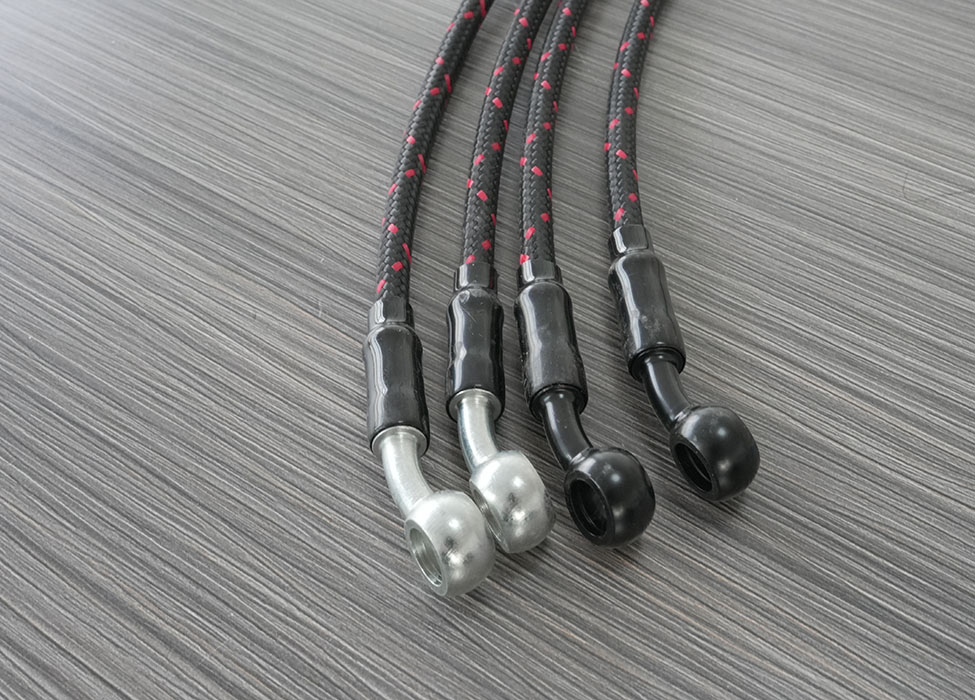
Coastal areas expose brake lines to salt spray, which attacks uncoated steel fittings. Choosing Silver Hydraulic Brake Line or Black Hydraulic Brake Line with anti-corrosion coatings greatly extends service life.
2. Internal Moisture Contamination
Water absorbed by brake fluid promotes rust inside the hose fittings. Stainless braided options such as Red Hydraulic Brake Line help reduce this risk by preventing external moisture ingress.
3. Material Selection for Long-Term Durability
Nylon and PTFE cores combined with stainless steel braid do not rust internally, unlike traditional carbon steel lines.
Recommended Corrosion-Resistant Options
Maintenance Tips for Overseas Buyers
Flush brake fluid annually, avoid washing fittings with high-pressure water, and inspect for surface pitting every service interval.
FAQ
How often should brake hoses be replaced?
Every 4–6 years, or immediately if corrosion is detected.
Do upgraded hoses really improve safety?
Yes. Corrosion-resistant materials prevent sudden hydraulic failure and maintain consistent pedal feel.
Need custom sizes or fittings? Send us your drawings or samples.