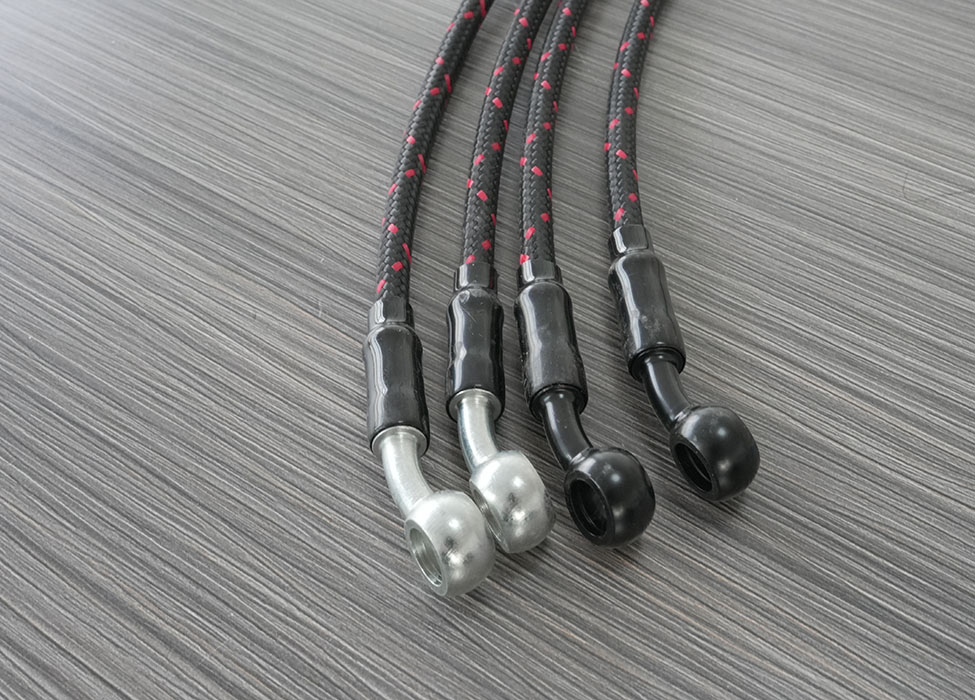
The Silent Killer: A Comprehensive Guide to Brake Line Corrosion and Proactive Defense Strategies
For vehicle owners and fleet operators in coastal regions, humid climates, or areas where road salt is prevalent, brake line corrosion isn't a matter of "if," but "when." This insidious process can compromise your vehicle's most critical safety system long before any visible warning appears. Unlike sudden hose rupture, corrosion often works from the inside out or attacks the vital connection points, leading to unpredictable failure. This guide breaks down the types, causes, and—most importantly—the solutions to brake line corrosion, with a focus on durable aftermarket upgrades.
Understanding the Enemies: Types of Brake Line Corrosion
1. Galvanic Corrosion at Fittings
This is the most common and destructive form. It occurs when two dissimilar metals (e.g., a steel fitting and an aluminum caliper) are electrically connected in the presence of an electrolyte like road salt, brine, or even salt-laden humid air. The less noble metal (the aluminum) corrodes sacrificially. You'll see severe pitting, white powdery deposits, and eventual weakening or seizure of the fitting. Standard OEM rubber hose assemblies with basic plated fittings are highly susceptible.
2. Internal Corrosion from Fluid Degradation
Brake fluid is hygroscopic—it absorbs moisture from the air. Over time, water contamination lowers the fluid's boiling point and, critically, creates an acidic, corrosive environment inside the entire hydraulic system. This attacks the inner wall of steel brake lines and can degrade the reinforcement layer inside rubber hoses from the inside, leading to soft spots and eventual failure under pressure.
3. External Pitting and Abrasion
Driving on gravel roads, coastal paths, or in areas with industrial fallout exposes lines to physical abrasion and chemical attack. Once the protective outer coating of a standard line is scratched or worn through, the underlying metal is exposed, accelerating rust and pitting. This is a significant concern for off-road vehicles in Africa or the Middle East.
The Aftermarket Arsenal: Materials Engineered to Resist
Upgrading your brake lines is a direct investment in defeating corrosion. The right materials make all the difference.
- Stainless Steel Braid - The Primary Shield: A high-quality braided brake line uses an outer layer of woven 304 or 316 stainless steel. This material is inherently resistant to salt spray, road chemicals, and moisture. It acts as a durable, flexible armor. Whether you choose a black coated line for stealth or a vibrant red line, the underlying protection is the same.
- Superior Fitting Materials: We equip our lines with zinc-nickel plated or passivated stainless steel fittings. These provide a massive upgrade in corrosion resistance over standard zinc-plated fittings, directly combating galvanic corrosion at the most vulnerable points.
- PTFE Inner Liner - Impermeable Barrier: The polytetrafluoroethylene (PTFE) inner core in our performance lines is non-reactive and impermeable. It seals the brake fluid from the hose's reinforcement layer, preventing internal moisture-related corrosion that can occur in traditional rubber hoses.
Product Selection for Corrosion-Prone Environments
Matching the product to the threat is key. For maximum corrosion resistance in a coastal or winter road salt environment, a full stainless steel braided line is non-negotiable. A silver braided line offers a classic, clean look that makes inspecting the braid easy. For a more custom or high-visibility application, our blue or green hydraulic brake lines provide the same robust protection with added style. Don't forget that motorcycle brake lines are equally vulnerable to corrosion and benefit immensely from this upgrade.
Maintenance Regimen to Extend Service Life
Even the best components need care. Implement this routine:
- Biannual Under-carriage Wash: In seasons with road salt or after beach driving, thoroughly rinse the undercarriage, wheel wells, and brake components to remove corrosive deposits.
- Annual Brake Fluid Change: This is the single most important maintenance task to prevent internal corrosion. Use high-quality DOT 4 or 5.1 fluid.
- Visual Inspection: When checking tire pressure, glance at the brake lines. Look for any damage to the outer braid, heavy dirt accumulation, or signs of leakage at fittings.
FAQ: Corrosion-Specific Concerns
Q: My vehicle's original steel brake lines rusted through. Will braided lines last longer?
A: Absolutely. While braided flexible lines replace the rubber hoses, not the hardlines, their stainless steel construction is far more corrosion-resistant than the mild steel used for most OEM hardlines. For a complete system overhaul, consider replacing corroded hardlines with coated nickel-copper alloy line.
Q: Are colored braided lines as durable as the standard silver stainless against corrosion?
A: Yes. The color on lines like our pink hydraulic brake line or red line is a durable, high-quality coating applied over the same 304 stainless steel braid. It does not diminish the corrosion resistance of the underlying metal.
Q: I'm importing vehicles to a humid, salty climate. Can you supply pre-fitted corrosion-resistant kits?
A: Yes, this is a core part of our business. We work with exporters and workshops to provide vehicle-specific brake line kits engineered for harsh environments. Contact us with your vehicle list and requirements for a tailored solution.