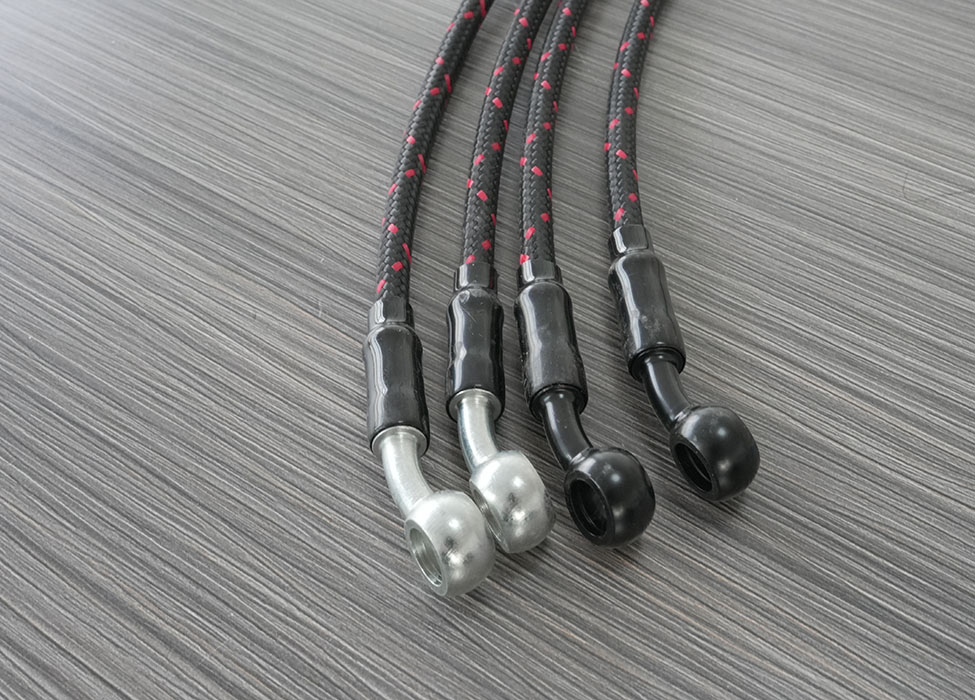
Symptoms of Brake Line Blockage: What Drivers Notice Before the Problem Gets Worse
Why brake line blockage matters
A blocked brake line can reduce hydraulic flow and change the way the brake pedal feels in normal driving. In many cases, the first signs are subtle, so the problem is often mistaken for pad wear, air in the system, or a master cylinder issue. For workshops and buyers, recognizing the symptoms early is the safest way to avoid a bigger braking failure later.
Common symptoms of brake line blockage
1. Brake pedal feels soft or delayed
One of the earliest symptoms is a pedal that does not respond with normal firmness. The driver may need more travel before the brakes start to engage, which often points to restricted fluid movement in the line.
2. Brake release is slow
If the brake does not release quickly after the pedal is lifted, fluid may not be returning properly through the circuit. This can create heat buildup, uneven pad wear, and a dragging sensation during driving.
3. Uneven braking force
A partially blocked hose may affect one wheel circuit more than the others. The vehicle can pull slightly, brake unevenly, or behave differently during repeated stops.
4. Abnormal pedal feel after repeated braking
When the system gets hot, a weak hose or contaminated line may show problems more clearly. This is a common complaint on older vehicles and in demanding use conditions.
What usually causes the blockage
Brake line blockage is often related to old brake fluid, internal hose collapse, corrosion in fittings, or poor installation routing. A hose can look normal from the outside while the inside passage is already restricted.
Product comparison for different needs
For buyers comparing different line styles, Blue Hydraulic Brake Line, Green Hydraulic Brake Line, and Pink Hydraulic Brake Line are often selected not only for appearance, but also for vehicle identification, workshop sorting, and aftermarket branding.
For other application requirements, Red Hydraulic Brake Line, Silver Hydraulic Brake Line, and Black Hydraulic Brake Line are also common search terms among distributors and repair shops.
Our product focus
Our product range includes hydraulic brake lines for motorcycles and passenger vehicles, with options for standard replacement, custom builds, and export projects. Motorcycle Brake Lines remain a major category because they need compact routing, stable pressure transfer, and reliable fitment.
What overseas buyers usually care about
Buyers in Southeast Asia, the Middle East, Japan, Korea, and Africa usually focus on flow stability, pressure resistance, corrosion resistance, fitting accuracy, and packaging quality. They also want clear drawings, samples, and stable repeat production for bulk orders.
Need a custom solution?
If you have a drawing, a sample, or a special specification, please contact us here: Contact us. We support OEM and aftermarket brake line solutions.
FAQ
How often should brake hoses be replaced?
Hoses should be inspected regularly and replaced when symptoms such as blockage, leakage, cracking, swelling, or delayed response appear.
Does an upgraded brake hose really improve safety?
A properly selected upgraded hose can improve hydraulic stability and reduce pressure loss, which helps braking feel more predictable.
Is the same hose suitable for all vehicles?
No. The correct hose must match the vehicle model, connector type, line length, routing space, and pressure requirement.