Recent News
-
 2026-2-2
Why Choose Retrofit Brake Lines?

The braking system is one of the most important safety systems in motorcycles, cars and commercial vehicles. A reliable brake system converts the driver's input force into hydraulic pressure, allowing the brake caliper to create friction and slow down the vehicle safely.
For modified vehicles and performance applications, understanding how the hydraulic brake system works helps drivers choose the right brake components, including hydraulic brake lines, brake hoses and brake assemblies.
As a professional brake hose manufacturer, we provide customized brake line solutions for motorcycles, cars and performance vehicles worldwide.
A complete hydraulic brake system consists of several important components working together.
The brake lever on motorcycles and the brake pedal on cars are the first control points of the braking system.
When the driver presses the pedal or pulls the lever, mechanical force is transferred to the master cylinder.
The master cylinder converts mechanical force into hydraulic pressure by pushing brake fluid through the brake lines.
A properly working master cylinder ensures stable pressure transmission throughout the brake system.
Brake fluid is the medium that transfers hydraulic pressure from the master cylinder to the brake caliper.
High quality brake fluid should maintain stable performance under high temperature and pressure conditions.
Brake hoses play a critical role because they transfer pressurized brake fluid between fixed and moving components.
High performance hydraulic brake lines help reduce pressure loss and provide more consistent braking response.
The brake caliper receives hydraulic pressure and pushes the brake pads against the disc rotor.
The friction generated between the pads and rotor creates braking force.
When the rider pulls the motorcycle brake lever or the driver presses the brake pedal, the master cylinder starts creating hydraulic pressure.
The hydraulic pressure travels through brake lines and hoses to reach the brake caliper.
The quality of the brake hose directly affects how efficiently pressure is transferred.
The caliper pushes brake pads against the rotor, generating friction and reducing vehicle speed.
A properly maintained hydraulic brake system provides stable braking performance and predictable control.
Many drivers focus on brake pads and calipers but overlook brake hoses.
However, brake hoses directly affect hydraulic pressure transmission and braking feel.
Blue Hydraulic Brake Lineis popular among motorcycle and vehicle modification enthusiasts who want both performance and customized appearance.
It provides a professional look while maintaining reliable hydraulic performance.
Green Hydraulic Brake Lineoffers a customized color option for modified vehicles and performance projects.
Pink Hydraulic Brake Lineis commonly selected for personalized motorcycle and automotive modification applications.
Red Hydraulic Brake Lineprovides a sporty appearance and is suitable for performance vehicle upgrades.
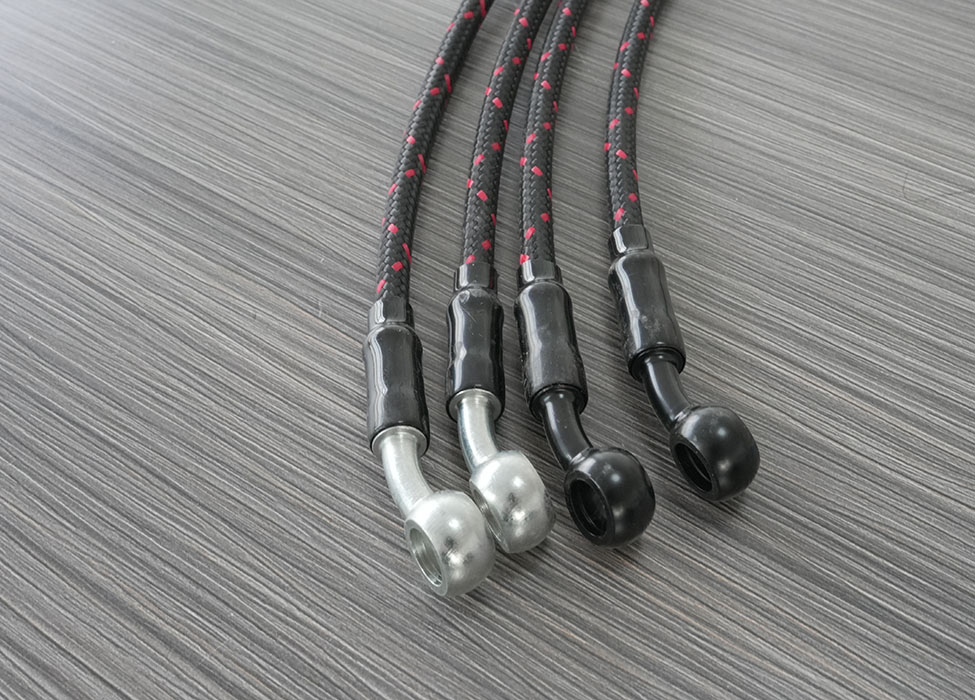
Silver Hydraulic Brake Lineis widely used in applications where a clean and professional appearance is preferred.
Black Hydraulic Brake Lineprovides a classic appearance and is suitable for many OEM and modified vehicle applications.
Motorcycles rely heavily on precise brake control because riders directly operate the brake system through the lever.
Different vehicles require different brake hose specifications.
Before purchasing, confirm:
High quality brake hoses should provide:
A reliable brake hose supplier should provide:
Inspect brake hoses for:
Old brake fluid may reduce braking performance due to moisture absorption.
If you notice:
The brake system should be inspected immediately.
We specialize in manufacturing hydraulic brake line solutions for motorcycles, cars and modified vehicles.
If you have drawings, samples or special requirements, our engineering team can provide customized brake line solutions according to your vehicle application.
We support OEM manufacturing, wholesale supply and global distributor cooperation.
Brake hose replacement depends on material quality, driving conditions and maintenance. Regular inspection is recommended.
High quality hydraulic brake lines can improve pressure stability and provide more consistent braking response.
Professional manufacturers can customize brake lines for motorcycles, cars, SUVs and modified vehicles.
The hydraulic brake system is a complex combination of components working together to provide safe and reliable stopping performance.
Choosing high quality brake lines and maintaining the brake system properly can improve driving confidence and long-term reliability.
