
Brake Dragging in High-Temperature Regions: Why Calipers Fail to Release
Brake Dragging in High-Temperature Regions: Why Calipers Fail to Release
Typical Conditions in Southeast Asia and Middle East
High ambient temperatures combined with heavy traffic conditions often expose weaknesses in hydraulic brake systems, especially in hose materials.
Why Calipers Stay Engaged
1. Thermal Expansion of Brake Fluid
Heat increases pressure inside the system, requiring efficient return flow.
2. Hose Internal Degradation
Old hoses may act as one-way valves, allowing pressure in but restricting return.
3. Material Fatigue
Repeated heating cycles weaken hose structure.
Optimized Hydraulic Line Solutions
Heat-Resistant Brake Lines
Designed for extreme environments with stable pressure characteristics.
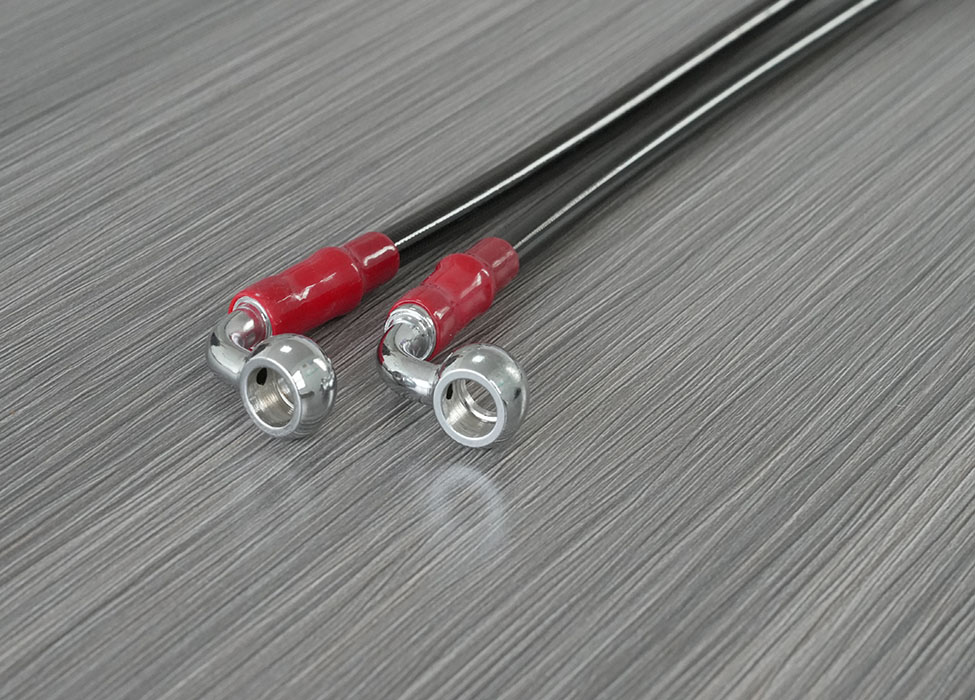
Red Hydraulic Brake Line |Blue Hydraulic Brake Line
For technical consultation, contact us.
Durable Coated Lines
Provide protection against corrosion and UV exposure.
Silver Hydraulic Brake Line |Green Hydraulic Brake Line
OEM solutions available. Get quote.
Flexible Motorcycle Brake Lines
Critical for maintaining consistent braking in compact systems.
Black Hydraulic Brake Line |Pink Hydraulic Brake Line
Custom lengths supported. Contact us.
Buying Guide
- Select hoses rated for high temperatures
- Check burst pressure ratings
- Evaluate long-term durability
Maintenance Tips
- Avoid prolonged brake overheating
- Flush brake fluid regularly
- Replace aging hoses proactively
FAQ
How often should brake hoses be replaced?
3–5 years or earlier in harsh environments.
Do upgraded hoses improve safety?
Yes, especially under high heat conditions.
Are they suitable for all vehicles?
Yes, if properly matched.
Our Product Range
We supply hydraulic brake lines for automotive and motorcycle applications worldwide.
2026-2-2
