
Brake Caliper Sticking After Braking: Hydraulic Line Problems You Should Check
Brake Caliper Sticking After Braking: Hydraulic Line Problems You Should Check
A sticking brake caliper is a serious issue that can cause excessive brake wear, overheating, and reduced fuel efficiency. While many technicians initially suspect the caliper piston, hydraulic line restrictions are often the real cause.
Main Hydraulic Reasons for Caliper Drag
1. Brake Hose Internal Degradation
Traditional brake hoses may degrade internally after years of service. The inner rubber layer can separate and act like a one-way valve. Brake fluid flows toward the caliper under pressure but cannot return smoothly when the pedal is released.
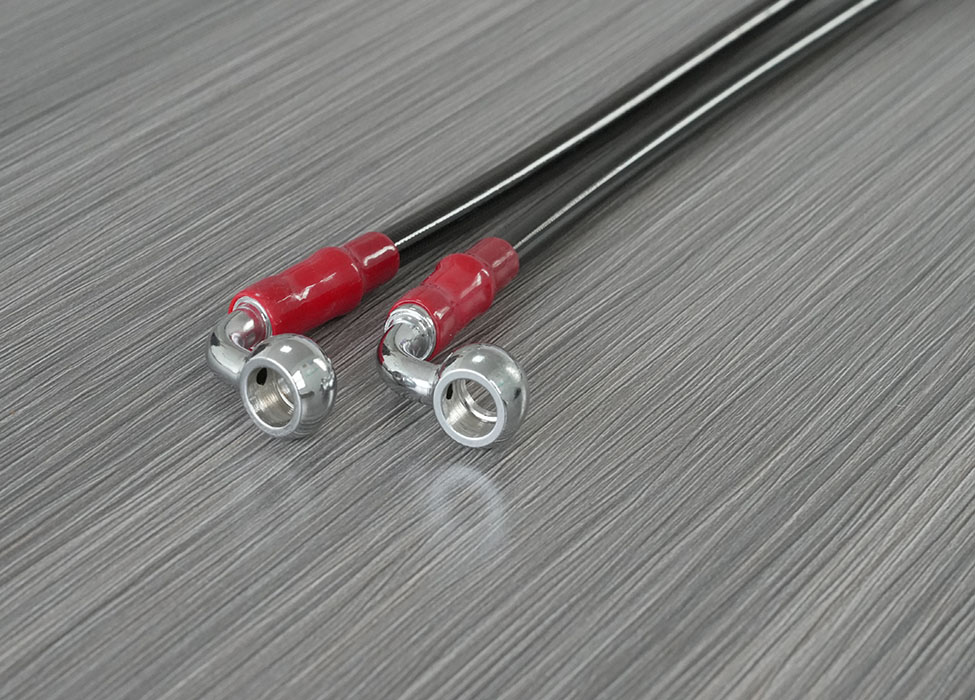
For performance applications, many workshops upgrade to reinforced hydraulic lines such as Blue Hydraulic Brake Line, Pink Hydraulic Brake Line, and Red Hydraulic Brake Line.
2. Brake Line Pressure Retention
If brake fluid pressure cannot return to the master cylinder, residual pressure may remain in the caliper. This is commonly caused by internal hose blockage or improper fittings.
3. Corrosion Inside Brake Lines
Moisture contamination may cause corrosion particles to form inside the hydraulic circuit. These particles can restrict fluid movement.
Brake Line Purchasing Guide for Importers
- Check pressure testing standards
- Ensure compatibility with DOT brake fluid
- Confirm hose burst pressure ratings
- Evaluate production quality and testing procedures
Performance brake lines such as Silver Hydraulic Brake Line and Black Hydraulic Brake Line are commonly used in racing and modified vehicles.
Maintenance Tips for Brake Systems
- Flush brake fluid regularly
- Inspect brake hoses during routine maintenance
- Check caliper return movement
Our Brake Line Manufacturing Capabilities
We supply hydraulic brake line assemblies for motorcycles, passenger vehicles, SUVs, and modified performance cars. Our production focuses on durability, pressure stability, and corrosion resistance.
If you are looking for a reliable brake line manufacturer, you can send drawings or specifications to our engineering team. Contact us here.
FAQ
How often should brake hoses be replaced?
Brake hoses should be inspected regularly and typically replaced every few years.
Do upgraded brake hoses improve braking response?
Yes. Reinforced brake hoses maintain consistent hydraulic pressure and improve brake feel.
Are brake hose upgrades suitable for motorcycles?
Yes. Motorcycle brake lines are commonly upgraded to improve braking performance and durability.
2026-2-2
